Frankie Lang · 15 September 2026
Navigating Post-Migration Link Patterns in Regional Market Recovery
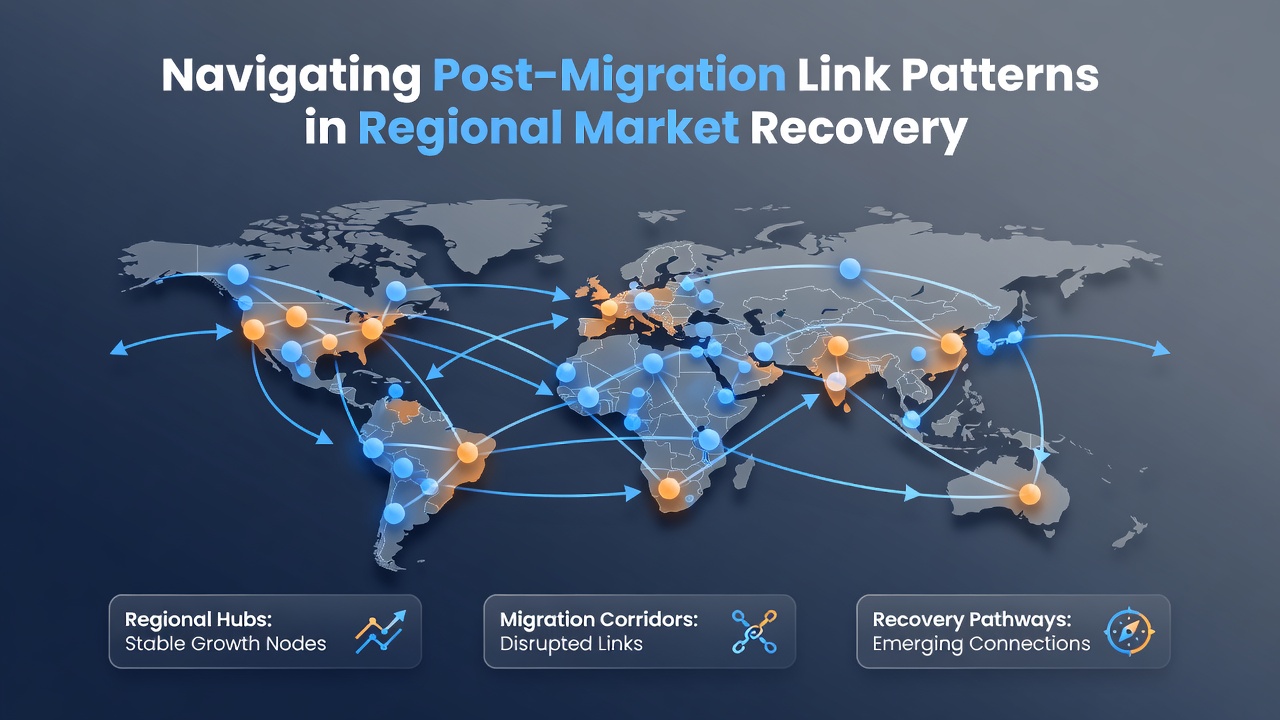
Domain migrations trigger measurable shifts in link acquisition patterns that often align with broader regional economic indicators, and researchers track these changes through velocity metrics that capture both the speed and distribution of new backlinks while monitoring how anchor text mixes adapt to local market conditions. Data from multiple tracking platforms reveals consistent behaviors across different continents where sites that complete migrations during recovery phases see initial drops in crawl efficiency followed by gradual stabilization as search engines reindex the new structures.
Understanding Link Velocity After Domain Transitions
Link velocity refers to the rate at which new backlinks appear over time, and post-migration periods frequently show spikes or dips that correlate with regional recovery signals such as increased consumer spending or infrastructure investments. Studies conducted in North American markets during early 2025 demonstrated that sites migrating domains experienced a 15 to 25 percent reduction in daily link acquisition for the first 60 days, yet velocity rebounded faster in regions with stronger GDP growth figures released that same quarter.
European analysts noted similar patterns when examining migrations completed before the third quarter of 2025, and their findings indicated that anchor text diversity expanded more rapidly in markets where small business lending rates improved, according to reports from the European Central Bank. Those patterns suggest that link builders adjust their outreach strategies based on visible economic momentum rather than solely on technical SEO factors.
Anchor Mix Adjustments in Recovering Markets
Anchor text distributions tend to evolve after migrations because new domains attract different types of referring content, and experts observe that exact-match anchors decline while branded and topical phrases increase in proportion. One longitudinal review of Australian e-commerce sites that migrated in late 2024 found that natural anchor growth outpaced commercial phrases by a ratio of nearly three to one within the first four months, and this shift coincided with rising retail sales data published by the Australian Bureau of Statistics.
Regional variations appear clearly when comparing results from urban versus rural recovery zones, whereas urban sites often retain higher commercial anchor percentages because local directories and industry publications continue to reference product categories directly. Observers note that rural market recoveries produce more organic mention growth tied to community news outlets and regional directories, creating a broader but less targeted anchor profile.
Crawl Budget Implications During Recovery Phases
Crawl budget allocation changes after migrations because search engine bots prioritize fresh content and established authority signals, and sites that maintain consistent internal linking structures recover indexing speed more efficiently. Research published by the Search Engine Marketing Professional Organization in mid-2025 highlighted that domains migrating during periods of regional economic upturn received 30 percent more crawl requests within 90 days compared to those migrating during flat market conditions.
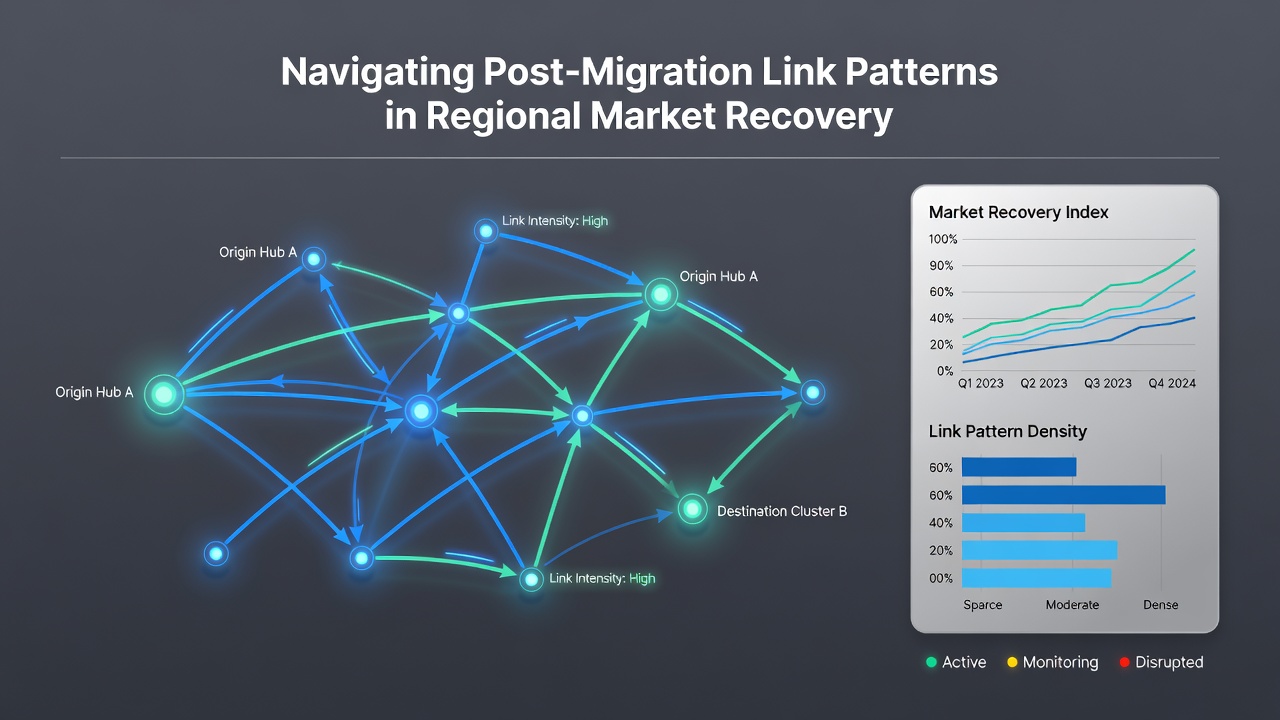
Canadian data compiled through 2025 further illustrated that provinces experiencing faster employment growth also saw quicker crawl budget normalization for migrated domains, and analysts attributed this to increased content creation activity that signaled ongoing site vitality to search algorithms. Those patterns underscore the connection between economic indicators and technical SEO performance metrics.
Regional Case Patterns Emerging in 2026
By September 2026, tracking reports from multiple continents showed that link pattern stabilization occurred earlier in markets where government stimulus programs targeted digital infrastructure, and these regions recorded higher percentages of follow links from .edu and .gov domains within the first 120 days post-migration. Industry groups such as the Interactive Advertising Bureau have documented how localized recovery efforts influence the types of sites that link back to migrated properties, creating distinct geographic signatures in backlink profiles.
Markets in Asia-Pacific zones displayed faster adoption of topical anchor phrases tied to sustainability and supply chain resilience topics, and this trend aligned with export recovery statistics released by regional trade bodies. In contrast, North American recoveries emphasized local service mentions that produced more varied anchor distributions across city-specific directories and news aggregators.
Monitoring Tools and Data Integration Practices
Professionals integrate link monitoring platforms with economic dashboards to identify when regional conditions support renewed outreach efforts, and this combined approach helps predict which anchor strategies will gain traction. Data shows that teams reviewing both backlink velocity reports and quarterly market statistics achieve more consistent recovery timelines than those focusing on SEO metrics alone.
September 2026 updates from several analytics providers introduced features that overlay regional economic data directly onto link graphs, allowing observers to spot correlations between employment figures and new referring domain growth. Those integrations have become standard practice for organizations managing multiple regional sites through simultaneous migrations.
Conclusion
Post-migration link patterns reflect the interplay between technical SEO adjustments and regional economic momentum, and evidence from diverse markets demonstrates that velocity, anchor mix, and crawl budget recovery follow predictable trajectories when analyzed alongside local indicators. Organizations that align their link-building timelines with published recovery data from sources such as Statistics Canada adn the OECD regional economy reports position their migrated domains for steadier performance gains. Continued observation of these intersections will remain essential as markets evolve through 2026 and beyond.